Identity and self esteem

When fitting in feels harder than learning

In school and college, identity is shaped by friendships, family, culture, online life, expectations, and how safe you feel to be yourself. When a student feels judged, excluded, or different, it can show up as anxiety, low mood, anger, withdrawal, perfectionism, or a drop in engagement. We are not here to diagnose, but school based counselling can help students build self understanding, confidence, and steadier coping.

Belonging matters, especially for vulnerable learners

Self esteem is not just positive thinking, it is built through felt safety, respectful relationships, being understood, and having needs met consistently. In SEN and mainstream settings, identity stress can overlap with masking, sensory overload, learning differences, disability, trauma responses, attachment stress, and repeated experiences of getting things wrong. When students feel they do not belong, school can start to feel like a daily threat rather than a place to grow.
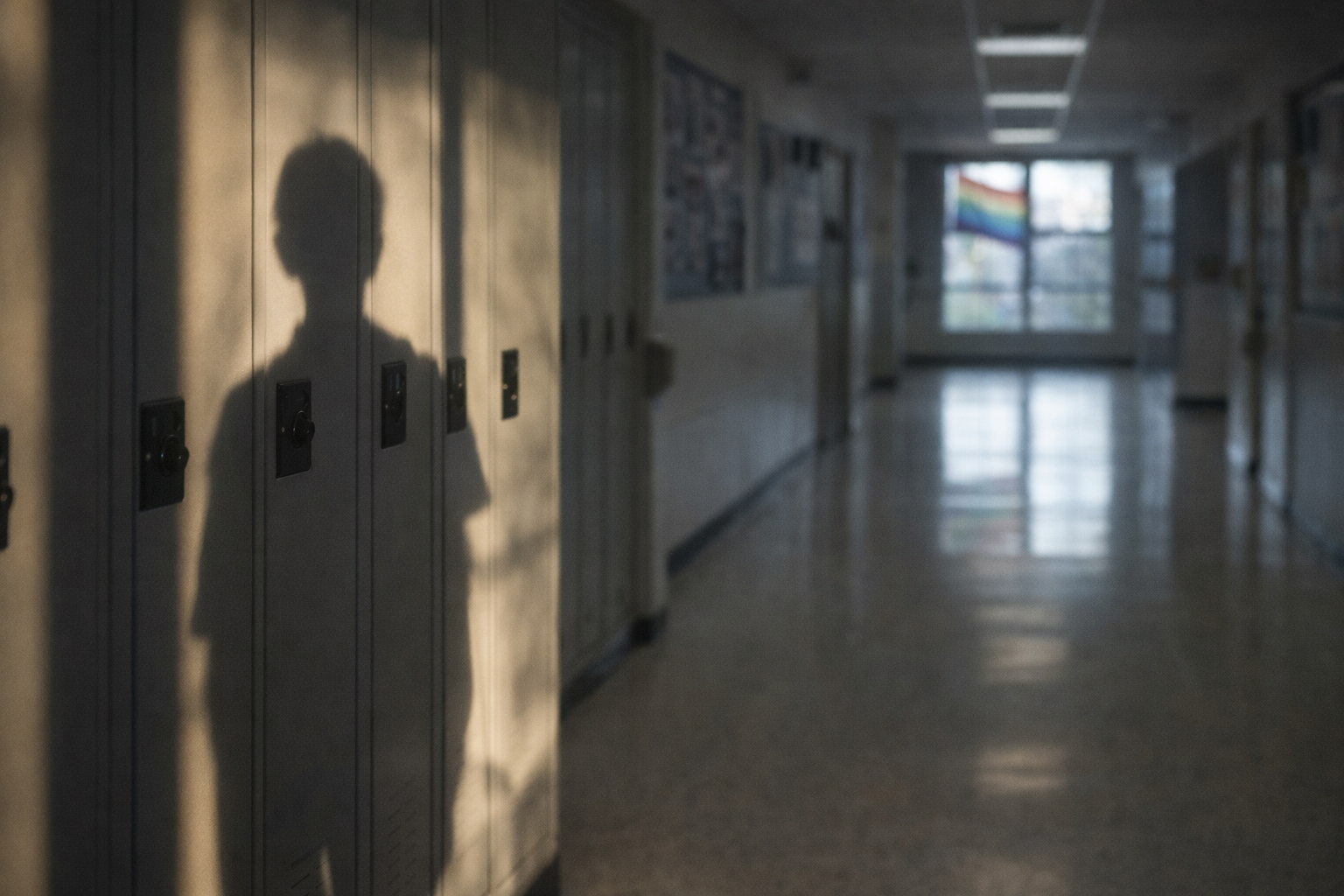
A calm school wellbeing space

How identity stress can show up in education settings

These examples help staff recognise what may be happening underneath the surface. Students may not name identity directly, they often communicate it through behaviour, attendance patterns, confidence, and relationships.

Belonging and confidence

A student may become quieter, clingy, defensive, or highly self critical, they may avoid answering questions, stop trying, or fear making mistakes. Some over compensate through humour, control, or risk taking, and some withdraw socially, sit alone, or drift between friendship groups. For SEN learners, this can be intensified by communication differences, sensory stress, and previous experiences of being misunderstood.

Pressure and comparison

Social media and peer comparison can amplify shame, perfectionism, and fear of not being enough. Students may focus on appearance, popularity, grades, or being seen as tough, and they may become sensitive to feedback, rejection, or small changes in routine. In older students, this can link to burnout style exhaustion, emotional numbing, or an “I do not care” presentation that masks distress.

Identity, difference, and safety

Some students experience identity related stress linked to race, culture, faith, disability, family circumstances, care experience, or feeling they do not fit expected norms. LGBTQ+ students may carry higher anxiety, not because of who they are, but because of stigma, bullying, rejection fears, and pressure to hide parts of themselves. When school feels unsafe, students may mask, avoid spaces, struggle with group work, become hyper alert to threat, or disengage from learning.

Building self esteem in practice

Students often need more than reassurance, they need tools to notice their inner critic, challenge unhelpful thinking, and practise realistic self talk. We also focus on strengths, values, boundaries, and repair after setbacks, because confidence grows when students learn they can cope, not when they never struggle. For SEN learners, this may include identity affirming language, predictable check ins, visual supports, and co regulation so the student can stay within a workable window of tolerance.

How counselling can help

School based counselling offers a calm, confidential space to explore identity without judgement and at the student’s pace. We help students name what they feel, understand triggers, build emotional vocabulary, and develop coping strategies that fit the setting, including transitions, friendship conflict, online pressures, and identity related worries.

We can also support staff by exploring patterns across behaviour, attendance, and learning, then feeding back themes and practical adjustments, while keeping the student’s confidentiality safe. The aim is stronger belonging, steadier regulation, and improved engagement over time.

Identity and self esteem

When fitting in feels harder than learning

In school and college, identity is shaped by friendships, family, culture, online life, expectations, and how safe you feel to be yourself. When a student feels judged, excluded, or different, it can show up as anxiety, low mood, anger, withdrawal, perfectionism, or a drop in engagement. We are not here to diagnose, but school based counselling can help students build self understanding, confidence, and steadier coping.

Belonging matters, especially for vulnerable learners

Self esteem is not just positive thinking, it is built through felt safety, respectful relationships, being understood, and having needs met consistently. In SEN and mainstream settings, identity stress can overlap with masking, sensory overload, learning differences, disability, trauma responses, attachment stress, and repeated experiences of getting things wrong. When students feel they do not belong, school can start to feel like a daily threat rather than a place to grow.

A calm school wellbeing space

How identity stress can show up in education settings

These examples help staff recognise what may be happening underneath the surface. Students may not name identity directly, they often communicate it through behaviour, attendance patterns, confidence, and relationships.

A student may become quieter, clingy, defensive, or highly self critical, they may avoid answering questions, stop trying, or fear making mistakes. Some over compensate through humour, control, or risk taking, and some withdraw socially, sit alone, or drift between friendship groups. For SEN learners, this can be intensified by communication differences, sensory stress, and previous experiences of being misunderstood.