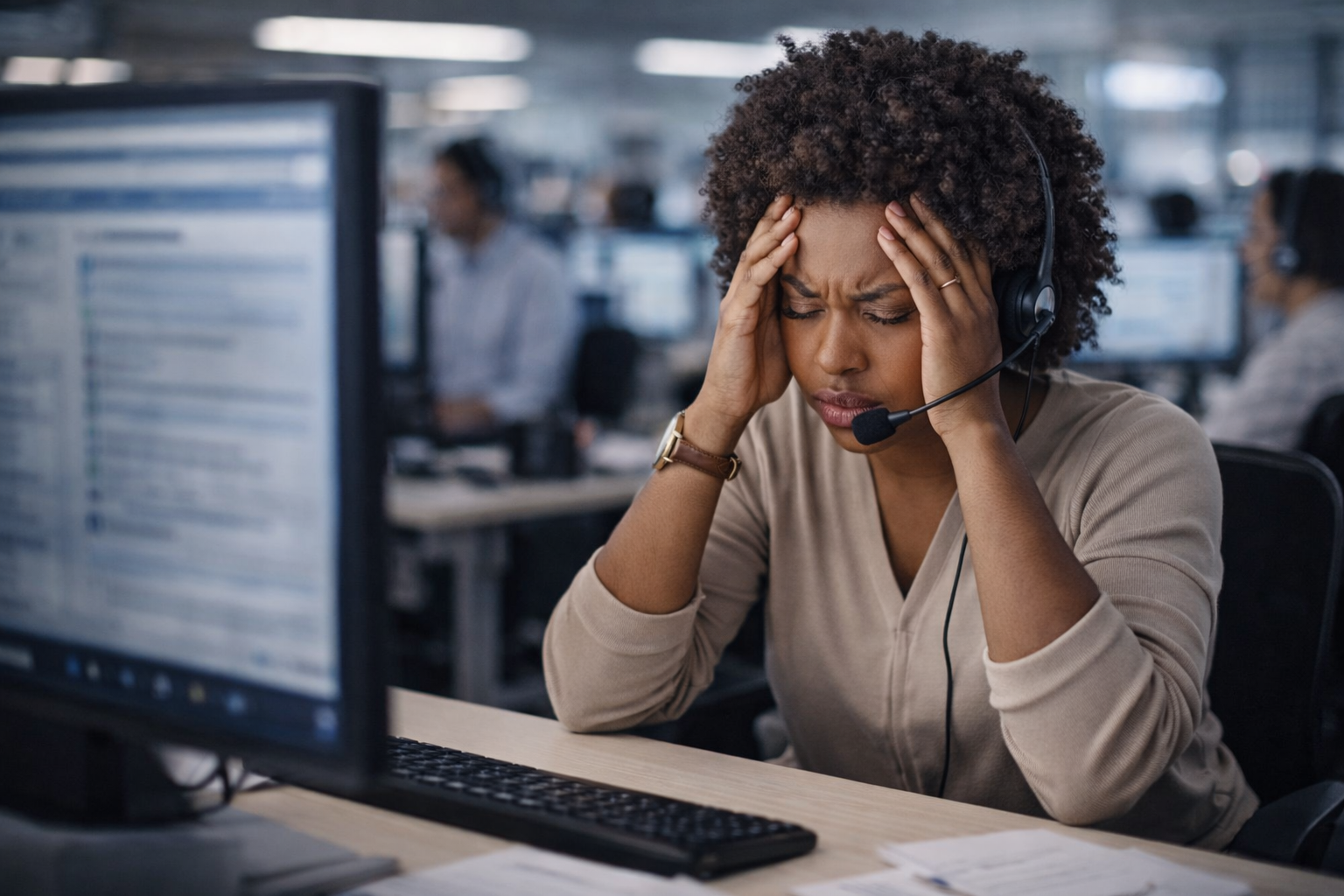
Stress is something most people experience at times, especially during change, pressure, or uncertainty.
Counselling can help when stress starts to feel constant, overwhelming, or begins to affect your health, work, or relationships.
Stress is not always a problem at first
A certain amount of stress can help us focus, meet demands, or get things done.
Over time, however, ongoing or intense stress can affect mood, self esteem, physical health, and how we relate to others.
When stress continues without relief, it can lead to exhaustion or burnout.
How stress and burnout can show up
Stress affects people in different ways.
These examples are not a diagnosis, but a way to help you recognise patterns and decide whether support may help.
Emotional signs
Stress can lead to feeling irritable, anxious, tearful, overwhelmed, or emotionally drained.
Some people notice racing thoughts, difficulty making decisions, or a sense of hopelessness when pressure feels unrelenting.
Physical signs
Ongoing stress can affect the body, including headaches, muscle tension, stomach problems, sleep difficulties,
dizziness, or feeling constantly tired.
Physical symptoms often improve once stress is reduced or better managed.
Work and behaviour
Stress may change how you work or behave, such as working longer hours, avoiding tasks,
withdrawing from others, losing motivation, or relying more on alcohol, smoking, or other habits to cope.
Over time this can increase the risk of burnout.
How counselling can help
Counselling offers space to explore what is driving your stress, what feels within your control, and where boundaries may be needed.
We can work on coping strategies, managing pressure, building resilience, and supporting recovery from burnout.
Sessions focus on your situation and move at a pace that feels manageable.
Stress is something most people experience at times, especially during change, pressure, or uncertainty.
Counselling can help when stress starts to feel constant, overwhelming, or begins to affect your health, work, or relationships.
Stress is not always a problem at first
A certain amount of stress can help us focus, meet demands, or get things done.
Over time, however, ongoing or intense stress can affect mood, self esteem, physical health, and how we relate to others.
When stress continues without relief, it can lead to exhaustion or burnout.
How stress and burnout can show up
Stress affects people in different ways.
These examples are not a diagnosis, but a way to help you recognise patterns and decide whether support may help.
Stress can lead to feeling irritable, anxious, tearful, overwhelmed, or emotionally drained.
Some people notice racing thoughts, difficulty making decisions, or a sense of hopelessness when pressure feels unrelenting.
Ongoing stress can affect the body, including headaches, muscle tension, stomach problems, sleep difficulties,
dizziness, or feeling constantly tired.
Physical symptoms often improve once stress is reduced or better managed.
Stress may change how you work or behave, such as working longer hours, avoiding tasks,
withdrawing from others, losing motivation, or relying more on alcohol, smoking, or other habits to cope.
Over time this can increase the risk of burnout.
Counselling offers space to explore what is driving your stress, what feels within your control, and where boundaries may be needed.
We can work on coping strategies, managing pressure, building resilience, and supporting recovery from burnout.
Sessions focus on your situation and move at a pace that feels manageable.